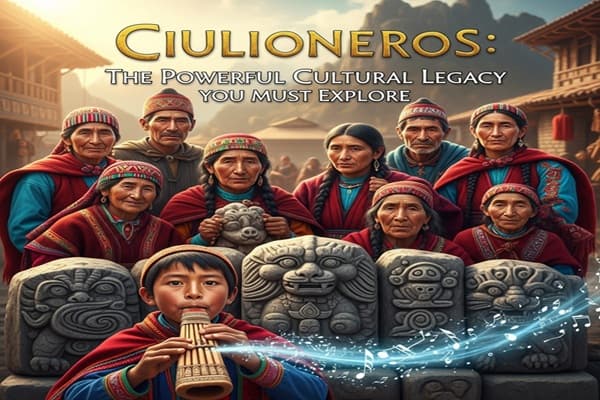
When we talk about ciulioneros, we’re diving into more than just a cultural label—it’s a living tradition, a community, and a way of life that has survived generations. These individuals are the keepers of stories, rituals, music, and art, acting as bridges between the past and present. Their influence stretches beyond performances; they preserve values, heritage, and identity for entire communities. Let’s explore what makes the ciulioneros unique and why their legacy matters.
What Does “Ciulioneros” Really Mean?
The term “ciulioneros” refers to a community of cultural custodians. Think of them as living libraries—they carry traditions, stories, and practices that have been passed down through generations. While some people mistakenly assume the word only relates to performers or festival participants, it’s much broader. Ciulioneros are storytellers, artisans, ritual leaders, and everyday community members committed to preserving cultural heritage.
Linguistically, the name likely comes from regional or indigenous dialects, connecting it with spiritual guidance, oral history, or communal leadership. In every context, though, it signifies respect, pride, and responsibility toward tradition.
Historical Roots of the Ciulioneros
Ciulioneros trace back to ancient communities where oral tradition shaped society. They emerged as vital figures in areas like Latin America, the Caribbean, and parts of Southern Europe, preserving stories, leading ceremonies, and crafting symbolic artifacts.
Their practices were deeply tied to nature and agriculture—celebrating seasonal cycles, harvests, and community milestones. Even when colonial influences disrupted their societies, ciulioneros adapted, integrating new elements while protecting core beliefs. Over centuries, they became not just cultural practitioners but symbols of resilience and continuity.
Cultural Significance: More Than Just Tradition
Ciulioneros are central to the social fabric of their communities. Their role goes beyond art—they educate, guide, and connect people.
Key contributions include:
-
Acting as storytellers, historians, and ritual leaders
-
Preserving oral traditions, folklore, songs, and dances
-
Guiding life-cycle ceremonies like births, weddings, and seasonal festivals
By anchoring communities in shared identity and heritage, ciulioneros help younger generations understand where they come from and why these traditions matter.
Storytelling, Rituals, and Practices
Storytelling is the heartbeat of the ciulioneros. Around fires, during ceremonies, or at community gatherings, they share myths, legends, and moral lessons. These stories aren’t just entertainment—they educate, instill values, and strengthen bonds.
Ritual practices may include:
-
Seasonal festivals celebrating harvest or nature cycles
-
Offerings to ancestors and symbolic ceremonies
-
Dance, chants, and theatrical reenactments of myths
The rituals are highly symbolic, teaching lessons about harmony, respect, and balance while embedding culture into everyday life.
Artistry: Masks, Costumes, Music, and Dance
Ciulioneros are known for their extraordinary artistry. Every mask, costume, and musical instrument carries meaning.
-
Masks: Handcrafted from wood, feathers, and natural materials, representing spirits or mythological characters
-
Costumes: Decorated with embroidery, beads, shells, or symbolic patterns
-
Music and Dance: Rhythmic hand drums, flutes, and strings accompany dances that tell stories
While traditions remain central, younger generations have started blending ancestral art with modern influences—fusing traditional patterns with contemporary fashion, music, and even digital media, keeping the culture vibrant and relevant.
Cuisine and Daily Life
Ciulioneros’ lifestyle extends to food and daily living. Their cuisine is seasonal, using local ingredients like maize, beans, squash, and native herbs. Cooking is a communal act, often tied to festivals or rituals. Methods such as roasting, steaming in leaves, or open-flame grilling reflect centuries of practice.
Daily life includes:
-
Traditional crafts and artisanal work
-
Herbal medicine and farming
-
Community-centered routines balancing modern needs with ancestral practices
Food and labor are intertwined with identity, teaching respect for land, nature, and heritage.
Regional Variations
Ciulioneros are not a uniform group—their customs vary based on geography, history, and resources:
-
Coastal communities: Focus on maritime rituals, seafood-based dishes, and sea spirits
-
Mountain regions: Emphasize forest deities, herbal medicine, and mountain-centric ceremonies
-
Urban adaptations: Modern interpretations of traditional storytelling and arts
Despite variations, all ciulioneros share core values: respect for ancestors, community unity, and cultural preservation.
Modern Challenges
Like many traditional communities, ciulioneros face pressures from globalization, urbanization, and economic change:
-
Youth migration leads to gaps in knowledge transfer
-
Commercialization risks distorting sacred practices
-
Land development and environmental change threaten traditional spaces
-
Limited formal documentation can make practices vulnerable
Yet resilience shines through. Communities are recording stories, creating workshops, and using technology to ensure survival.
Also Read : Denika Kisty Biography: Athletic Achievements and Life with NBA Star Jason Williams
Preservation and Revival Initiatives
Efforts to safeguard ciulioneros culture are growing:
-
Cultural schools: Teaching storytelling, music, and crafts
-
Workshops and apprenticeships: Passing skills to the next generation
-
Festivals and exhibitions: Celebrating culture locally and globally
-
Digital platforms: Archiving oral histories, streaming performances, and connecting diaspora communities
These initiatives demonstrate that ciulioneros traditions can thrive, combining old and new methods to engage wider audiences.
The Future: Adapting Tradition
Ciulioneros are creatively blending heritage with technology:
-
Digital archiving ensures stories and rituals are preserved
-
Music and dance are fused with modern rhythms and media
-
Fashion inspired by traditional motifs promotes cultural pride
Adaptation ensures that while practices evolve, the essence—community, memory, and respect for nature—remains intact. Ciulioneros could become global ambassadors for cultural resilience, showing how traditions can flourish even in a connected, modern world.
Lessons from the Ciulioneros
Studying ciulioneros provides valuable insights:
-
Storytelling shapes the future: It teaches, entertains, and builds identity
-
Intergenerational learning matters: Elders and youth working together strengthen community bonds
-
Adaptation without losing roots: Tradition evolves while preserving core values
Ciulioneros show that culture is living—it survives by being practiced, shared, and adapted.
Conclusion
Ciulioneros are more than a tradition—they’re a vibrant, living culture connecting generations, nurturing community, and preserving identity. Their artistry, rituals, cuisine, and storytelling offer lessons on resilience, adaptability, and the power of shared heritage.
Supporting the ciulioneros—through learning, sharing, or engaging with their communities—helps protect cultural diversity and strengthens collective memory. As long as stories are told, songs are sung, and rituals are honored, the spirit of the ciulioneros will continue to inspire.
FAQs About Ciulioneros
1. What are ciulioneros?
They are cultural custodians who preserve traditional stories, rituals, art, and community practices.
2. Where did ciulioneros originate?
From ancient community traditions where oral storytelling, dance, and ceremonial practices played central roles.
3. What role do they play in their communities?
They lead rituals, teach youth, create masks and costumes, guide festivals, and preserve cultural identity.
4. Why is storytelling important to ciulioneros?
Storytelling passes down history, morals, and spiritual beliefs while connecting generations.
5. How are ciulioneros preserving their traditions today?
Through workshops, festivals, digital archives, social media, and community-led teaching programs.