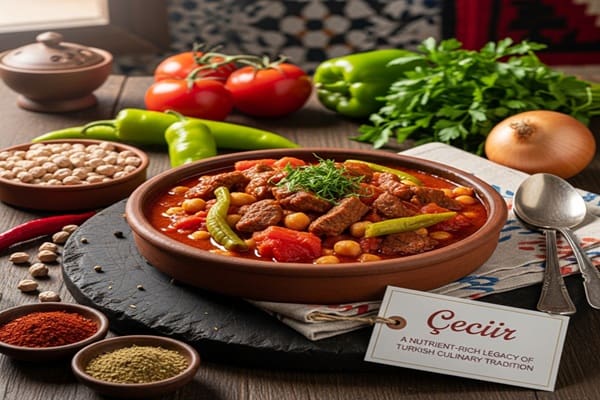
Çeciir may sound unfamiliar at first, but once you get to know it, you’ll wonder how it stayed under the radar for so long. Rooted deeply in Turkish and Middle Eastern kitchens, Çeciir is one of those timeless foods that quietly does it all. It can be a comforting stew, a crunchy snack, or a versatile flour that fits modern diets with ease.
This guide walks you through what Çeciir truly is, where it comes from, how it’s made, and why it’s suddenly popping up in conversations about healthy, affordable, and meaningful food. Think of it as a friendly chat about a dish that’s been feeding families for centuries and still feels right at home on today’s table.
What Exactly Is Çeciir?
At its core, Çeciir is all about chickpeas. But that simple base turns into something special depending on how it’s prepared.
In Turkish usage, Çeciir can refer to:
-
A slow-cooked chickpea stew
-
Roasted chickpeas enjoyed as a snack
-
Chickpea flour, often used in gluten-free cooking
As a stew, Çeciir is rich, warming, and deeply satisfying. Chickpeas simmer with onions, garlic, tomato paste, olive oil, and gentle spices until everything comes together in a thick, hearty dish. It’s the kind of food that feels like comfort in a bowl.
As a snack, roasted chickpeas are crunchy, lightly seasoned, and easy to carry. And as flour, ground chickpeas become a kitchen staple used for pancakes, baking, or thickening sauces.
Different forms, same soul—simple, nourishing, and full of character.
Where Çeciir Comes From
The story of Çeciir starts thousands of years ago. Chickpeas are among the earliest cultivated crops, with roots tracing back more than 7,000 years to the Middle East and Mediterranean regions.
Long before modern kitchens, chickpeas were valued because they:
-
Stored well
-
Provided lasting energy
-
Were easy to prepare over open fires
Merchants and travelers often carried roasted chickpeas on long journeys. They were filling, portable, and didn’t spoil easily. Over time, these humble legumes became woven into daily life, especially in Anatolia, where Çeciir grew into a familiar household name.
The word itself comes from Turkish, closely tied to traditional cooking and shared meals. While trends come and go, Çeciir never really left—it simply waited for the rest of the world to catch up.
How Chickpeas Traveled the World
Chickpeas didn’t stay in one place for long. As civilizations expanded, so did their food.
Historians trace the spread of chickpeas like this:
-
From the Middle East into Southern Europe
-
Across North Africa
-
Into India and Central Asia
-
Eventually reaching the Americas through Spanish explorers
Each region adapted chickpeas to local tastes, creating dishes that felt familiar yet unique. In Turkey, chickpeas stayed central to everyday cooking. Families passed down their own Çeciir recipes, often adjusting spices or textures to suit personal preferences.
Even now, cooking Çeciir often feels like a shared ritual rather than a solo task.
Why Çeciir Means More Than Just Food
Çeciir isn’t only about nourishment. It carries emotional weight.
In many Turkish and Middle Eastern homes:
-
Serving Çeciir to guests shows warmth and respect
-
Cooking it together strengthens family bonds
-
Recipes are handed down like family heirlooms
A pot of Çeciir on the stove often signals togetherness. It’s the kind of dish that invites conversation, shared bread, and slow eating. That sense of connection is a big reason it has endured for so long.
Food like this doesn’t just fill stomachs—it builds memories.
How Çeciir Is Traditionally Made
Making Çeciir isn’t complicated, but it does reward patience. Here’s the classic approach many families still follow:
Basic Steps
-
Soak dried chickpeas overnight
-
Boil them until tender
-
Sauté onions and garlic in olive oil
-
Stir in tomato paste and spices like cumin or paprika
-
Add the chickpeas and let everything simmer until thick
Some cooks finish it with a splash of lemon juice or fresh herbs for brightness. The result is a stew that’s deeply flavorful without being heavy.
How It’s Served
Çeciir pairs beautifully with:
-
Steamed rice
-
Flatbread
-
A spoonful of yogurt
-
Simple salads or pickled vegetables
It works as a main dish or a hearty side, depending on the occasion.
Çeciir Beyond the Stew: Snacks and Flour
One of the reasons Çeciir stays relevant is its flexibility.
Roasted Chickpeas
Roasted Çeciir is a favorite street snack. Chickpeas are baked until crisp, then seasoned with:
-
Salt
-
Paprika
-
Garlic powder
-
Chili flakes
-
Even a touch of sweetness
They’re crunchy, satisfying, and far more filling than processed snacks.
Chickpea Flour
Chickpea flour—often called gram flour—is simply dried chickpeas ground into powder. It’s used for:
-
Pancakes and flatbreads
-
Baking gluten-free goods
-
Thickening soups and sauces
-
Savory fritters and batters
Its mild, nutty flavor adds depth without overpowering a dish.
Also Read : Mannacote Recipe: A Simple and Delicious Italian Comfort Food
The Nutritional Power of Çeciir
One of the biggest reasons Çeciir is gaining new fans is its impressive nutrition profile.
Chickpeas are packed with:
-
Plant-based protein
-
Dietary fiber
-
Iron
-
Folate
-
Magnesium
-
Potassium
-
Vitamin B6
They’re low in saturated fat and help support heart health by managing cholesterol levels. Because they digest slowly, they also help maintain steady energy and balanced blood sugar.
For vegetarians, vegans, and anyone cutting back on meat, Çeciir offers a satisfying alternative that doesn’t feel like a compromise.
How Çeciir Fits Into Modern Cooking
Çeciir may be ancient, but it adapts effortlessly to modern kitchens.
People now use chickpeas and chickpea flour in:
-
Grain bowls and salads
-
Pasta dishes
-
Smoothies
-
Energy snacks
-
Desserts like brownies and cookies
It works beautifully within:
-
Gluten-free diets
-
Plant-based lifestyles
-
Mediterranean-style eating
-
Budget-friendly meal plans
You can keep things traditional or experiment freely. Either way, Çeciir holds its own.
Why So Many People Are Falling in Love With Çeciir
There’s something refreshing about food that doesn’t try too hard. Çeciir checks all the boxes without being flashy.
People love it because:
-
It’s affordable
-
It’s filling
-
It’s easy to store
-
It’s endlessly adaptable
-
It tastes genuinely good
In a busy world, foods that offer both comfort and nutrition tend to stick around. Çeciir does exactly that, proving that old recipes still have a place on modern plates.
Final Thoughts: A Simple Food With a Lasting Legacy
Çeciir isn’t just another chickpea dish. It’s a reminder that some of the best foods are built on simplicity, patience, and tradition. Whether you enjoy it as a slow-cooked stew, a crunchy snack, or a versatile flour, Çeciir delivers nourishment with heart.
It connects generations, cultures, and kitchens—one humble chickpea at a time. Try it once, and it might just become a regular part of your meals.
FAQs About Çeciir
What is Çeciir made from?
Çeciir is made primarily from chickpeas, often cooked with onions, garlic, tomato paste, olive oil, and spices.
Is Çeciir gluten-free?
Yes. Chickpeas and chickpea flour are naturally gluten-free.
Can chickpea flour replace regular flour?
In many recipes, yes. It works especially well in savory dishes and gluten-free baking.
How long does Çeciir take to cook?
Using soaked chickpeas, the stew usually takes about 60–90 minutes. Canned chickpeas shorten the process.
Is Çeciir helpful for weight management?
Its high protein and fiber content help you feel full longer, which can support balanced eating.
What pairs well with Çeciir?
Rice, flatbread, yogurt, grilled vegetables, or simple salads make great companions.