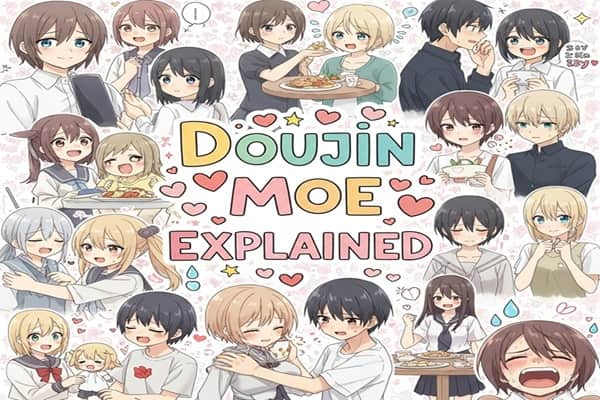
Anime, manga, and online fan communities have always been about more than just entertainment—they’re spaces where emotion, creativity, and personal expression come alive. One term that perfectly captures this combination is Doujen Moe.
For newcomers, it might sound niche or even confusing. But Doujen Moe represents a thriving fan-driven movement where independent creation meets heartfelt emotion, softness, and charm. From fan art and webcomics to indie games and zines, Doujen Moe has grown into a global phenomenon connecting creators and fans across continents.
Let’s dive into what it is, where it came from, and why it resonates so deeply.
What Is Doujen Moe?
At its core, Doujen Moe is a fusion of two ideas:
-
Doujin – Fan-made, self-published works such as comics, artbooks, or novels.
-
Moe – A Japanese term describing affection, warmth, and emotional attachment to cute, vulnerable, or endearing characters.
Put together, Doujen Moe describes independent art with an emotional, soft, and affectionate edge. It’s not just a style—it’s a subculture and community where creators explore storytelling, cuteness, and emotional resonance freely.
Breaking Down the Terms
What Does “Doujin” Mean?
“Doujin” refers to self-published works created by fans or small groups. These works range from:
-
Manga and fan comics
-
Illustrated zines
-
Novels and short stories
-
Art collections and fanbooks
Doujin culture thrives on artistic freedom rather than commercial success. It encourages experimentation, unique storytelling, and reinterpretation of characters or entirely original worlds.
What Is “Moe” in Japanese Culture?
“Moe” is all about emotional attachment. It represents the warm, affectionate feeling fans experience toward characters who are:
-
Cute or endearing
-
Vulnerable or shy
-
Emotionally expressive
It’s not just about romance; it’s about cherishing and connecting with characters on a personal, almost protective level.
Doujen Moe: Where Doujin Meets Moe
When combined, doujin and moe create Doujen Moe—a space for:
-
Independent creators sharing heartfelt stories
-
Soft, expressive art focusing on emotional connection
-
Fan-made reinterpretations of beloved characters or original creations
It’s a community-driven aesthetic that emphasizes authenticity, tenderness, and emotional resonance over commercial polish.
Origins and Cultural Background
From Doujinshi to a Global Movement
Doujin culture began in Japan in the 1970s–1990s with self-published manga sold at events like Comiket in Tokyo. As digital platforms like Pixiv, Booth.pm, DeviantArt, and Tumblr emerged in the 2000s, creators reached global audiences, spreading Doujen Moe far beyond Japan.
The Rise of Moe
During the 1990s and 2000s, anime characters like Chii (Chobits), Nagisa (Clannad), and Madoka (Madoka Magica) popularized the moe aesthetic. Fans fell in love with:
-
Gentle personalities
-
Emotional depth
-
Soft, heartwarming design
Merging this emotional style with fan-made doujin works gave rise to Doujen Moe as a recognized creative subculture.
Also Read : The Untold Story of Anne Steves: All About Rick Steves’ Ex-Wife
Key Features of Doujen Moe
Doujen Moe isn’t just about cute drawings—it’s a style, an emotion, and a creative approach. Here’s what makes it unique:
-
Emotion-first creation: Heartfelt storytelling takes precedence over technical perfection.
-
Soft visual aesthetics: Pastel colors, tender poses, and expressive eyes dominate.
-
Narrative depth: Themes often include friendship, growth, healing, and everyday life.
-
Community focus: Fans interact, provide feedback, and collaborate online.
-
Freedom to experiment: Alternate universes, gender-bent characters, and reinterpretations are common.
Example: A fan illustrates a shy magical girl finding confidence through friendship—classic Doujen Moe.
Doujen Moe vs Doujinshi vs Moe Art
| Term | Definition | Use Case |
|---|---|---|
| Doujinshi | Independent fan-made comics or novels | Sold at conventions or online shops |
| Moe Art | Cute, affectionate, emotional artwork | Posters, social media, merchandise |
| Doujen Moe | Fusion of doujin + moe | Online communities, zines, indie games, expressive fan art |
While doujinshi is a format and moe is an aesthetic, Doujen Moe is a cultural style with emotional and creative depth.
Why Doujen Moe Resonates
Emotional Intimacy
Fans feel close to creators because Doujen Moe often shows vulnerability, warmth, and sincerity. Unlike commercial works, it’s personal.
Relatable Vulnerability
Characters often face:
-
Loneliness
-
Healing journeys
-
Moments of growth
Fans see themselves in these stories, deepening the connection.
Community Interaction
Platforms like Pixiv, Twitter, Reddit, and Tumblr allow creators and fans to interact directly, strengthening bonds.
Accessible Creative Entry
Doujen Moe doesn’t require professional training—anyone can participate. Beginners can start with emotional storytelling and simple illustrations.
Where to Find Doujen Moe
-
Pixiv: Central hub for illustrations, manga, and novels.
-
Twitter/X: Artists post sketches and fan art using hashtags like #doujenmoe.
-
Booth.pm: Marketplace for zines and doujin works.
-
Tumblr: Fan art and emotional storytelling communities.
-
Reddit: Subreddits like r/AnimeArt and r/doujinshi discuss Doujen Moe.
Doujen Moe in Pop Culture
Conventions and Events
-
Comiket and Anime Expo Artist Alleys showcase Doujen Moe zines and art.
Independent Merchandise
-
Acrylic charms, stickers, and posters featuring soft, moe-inspired designs.
Webtoons and Indie Games
-
Some indie visual novels and games adopt Doujen Moe aesthetics for emotional storytelling and interactive experiences.
Controversies
While vibrant, Doujen Moe isn’t without critique:
-
Copyright concerns when fan works reinterpret existing characters.
-
Misinterpretation of cute or youthful designs.
-
Cultural sensitivity when non-Japanese creators adopt moe aesthetics without context.
-
Commercialization fears as the style becomes mainstream.
Respecting source material, originality, and cultural understanding helps maintain the integrity of Doujen Moe.
The Future of Doujen Moe
Emerging trends may shape the movement:
-
AI-assisted art: Faster creation but ethical debates.
-
NFTs/blockchain: New monetization, controversial in fan spaces.
-
AR/VR experiences: Immersive anime-inspired worlds.
-
Global cultural crossovers: Local myths in moe style.
-
Art therapy and mental health: Using Doujen Moe for healing and expression.
The subculture promises creativity, emotional connection, and global collaboration.
How to Get Started
-
Begin with simple fan art or soft illustrations.
-
Share works on Pixiv, DeviantArt, or Twitter.
-
Join zine collaborations or hashtag challenges like #MoeMonth.
-
Focus on emotional storytelling over perfection.
-
Engage with communities for feedback and support.
Final Thoughts
Doujen Moe is more than a niche art style—it’s a movement grounded in authenticity, vulnerability, and emotional storytelling. It shows that creativity doesn’t need to be polished to be meaningful; it needs heart. Whether a beginner or an experienced artist, Doujen Moe celebrates:
-
Emotional depth
-
Soft aesthetics
-
Community connection
-
Freedom to create without judgment
For fans and creators alike, Doujen Moe is a space where affection, nostalgia, and artistic exploration converge, making it one of the most heartwarming trends in modern fandom.
FAQs
1. What is Doujen Moe in simple terms?
A fan-driven art and storytelling style combining doujin (self-published works) and moe (cute, emotional charm).
2. Is Doujen Moe only anime-related?
No. It extends to fan art, indie games, webcomics, and original characters.
3. Who can create Doujen Moe content?
Anyone! Beginners and experienced creators alike can participate.
4. Why is Doujen Moe popular online?
It allows fans to express emotion and connect with characters through heartfelt art.
5. Where can I find Doujen Moe?
Pixiv, Booth.pm, Twitter/X, Reddit, Tumblr—look for hashtags like #doujenmoe.