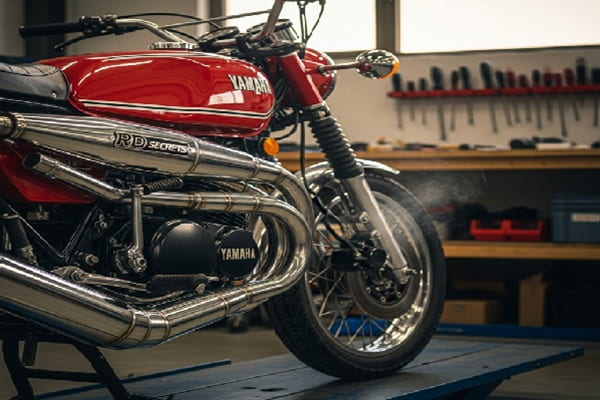
If you’ve ever heard a Yamaha RD scream down the road, you already know the sound stays with you. That sharp, high-pitched roar isn’t accidental—it comes from the escapamento RD, one of the most iconic exhaust systems in motorcycle history. But there’s far more to it than noise.
This guide breaks everything down in plain, rider-to-rider language. No fluff. No overused buzzwords. Just real insights into why escapamento RD still matters, how it works, and why riders across generations remain obsessed with it.
What Is Escapamento RD, Really?
Let’s start simple.
Escapamento RD means the exhaust system designed for Yamaha’s RD series motorcycles.
-
Escapamento = exhaust (Portuguese)
-
RD = Yamaha’s legendary Race Developed two-stroke bikes
This includes classics like:
-
RD125
-
RD250
-
RD350
-
RD400
These bikes earned fame for explosive acceleration, lightweight frames, and an exhaust note that could turn heads streets away. The exhaust wasn’t just a part—it was the personality of the bike.
How the Yamaha RD Story Began
Yamaha launched the RD series in the early 1970s with a bold goal: deliver race-level excitement to everyday riders. The result was a light, aggressive motorcycle that punched far above its weight.
Why riders fell in love fast:
-
Two-stroke engines with instant throttle response
-
Simple mechanical design
-
Huge tuning potential
-
A sound no four-stroke could replicate
Right from the beginning, the exhaust system played a central role in how these bikes behaved and felt.
Why the Exhaust Matters So Much on Two-Stroke Engines
On many motorcycles, the exhaust just moves gases out. On a two-stroke RD, it does much more.
The escapamento RD controls how the engine breathes, how power builds, and how fuel behaves inside the cylinder. This is because two-stroke engines fire on every revolution, not every second one.
What the Escapamento RD Actually Does
-
Clears burned gases efficiently
-
Pulls fresh fuel-air mix into the cylinder
-
Pushes unburned mixture back at the right moment
-
Shapes the engine’s power curve
-
Creates that unmistakable RD sound
-
Helps control engine heat
That curved expansion chamber isn’t just for looks—it’s precision engineering.
Stock vs Aftermarket Escapamento RD
Yamaha’s factory exhausts were reliable and balanced. They worked well for daily riding and met legal limits. But many riders wanted more.
Stock Escapamento RD
-
Smooth power delivery
-
Lower noise levels
-
Better longevity
-
Less aggressive performance
Aftermarket Escapamento RD
-
Increased horsepower (often 10–20%)
-
Sharper throttle response
-
Stronger mid or top-end pull
-
Louder, more emotional sound
-
Custom visual style
Local builders—especially in Brazil and Portugal—became famous for hand-welded pipes tuned for racing or street domination.
The Sound That Defined a Generation
Ask any RD fan what hooked them, and most will say one thing: the sound.
That crisp crackle at idle turning into a piercing scream at high RPM isn’t random. It’s the result of pressure waves bouncing inside the expansion chamber at precise moments.
What riders associate with the sound:
-
Freedom
-
Speed
-
Youth
-
Rebellion
-
Mechanical purity
Even people who don’t ride recognize it instantly. That’s real legacy.
How Escapamento RD Tuning Changes the Ride
One small change to an RD exhaust can transform the bike completely.
Shorter, wider pipes
-
Strong high-RPM power
-
Ideal for drag racing
-
Screaming top-end
Longer, narrower pipes
-
Better mid-range torque
-
Strong pull in city riding
-
Smoother power delivery
Many riders tune the exhaust together with:
-
Carburetor jetting
-
Ignition timing
-
Intake changes
Some even use modern software to simulate exhaust pulse behavior before welding a single piece of metal.
Why Escapamento RD Became a Cultural Icon
In places like Brazil, RD bikes weren’t just transport—they were identity.
Young riders customized pipes as a rite of passage. Garages turned into community spaces. Knowledge passed hand to hand, not from manuals.
What the escapamento represented:
-
Individuality
-
Mechanical creativity
-
Brotherhood among riders
-
Pride in craftsmanship
Portugal, Japan, and parts of Europe followed similar paths. Online forums now keep those traditions alive globally.
More Than Metal: Emotional Meaning
For many owners, the escapamento RD is tied to memories:
-
First bike
-
First race
-
Late-night rides
-
Friends lost and found
That emotional weight fuels the strong restoration culture seen today. Riders hunt for original pipes or recreate them with obsessive attention to detail.
What It Symbolizes
| Element | Meaning |
|---|---|
| Sound | Freedom & adrenaline |
| Shape | Personal expression |
| Old scars | Stories from the road |
| Rebuilds | Respect for the past |
Common Problems Every RD Owner Faces
Two-stroke magic comes with responsibility.
Common Issues
-
Carbon buildup inside the pipe
-
Rust in humid climates
-
Cracked welds
-
Worn silencer packing
-
Exhaust leaks
Simple Maintenance Tips
-
Regular decarbonizing
-
Inspect welds and flanges
-
Use heat-resistant paint or coatings
-
Repack silencers when sound quality drops
A clean escapamento isn’t just quieter—it restores lost power.
Also Read : What Is Scrolller? Everything You Need to Know About the Visual Browsing Platform
Escapamento RD in the Modern Era
Even though Yamaha stopped producing RD bikes years ago, the scene hasn’t slowed down.
What keeps it alive:
-
Restoration projects
-
CNC and CAD-designed replica exhausts
-
Hand-built vintage pipes
-
Collector demand
-
Online tutorials and sound archives
Some video games and simulators now even recreate RD exhaust notes digitally, preserving the experience for future riders.
Why Escapamento RD Still Matters in 2025
Keeps two-stroke heritage alive
Offers a sound unmatched by modern bikes
Teaches real-world performance engineering
Connects generations of riders
Stands for mechanical honesty
Electric bikes may dominate sales charts, but they haven’t replaced emotion.
Criticism, Rules, and Reality
Escapamento RD isn’t without controversy.
Common concerns include:
-
Noise complaints
-
Emission regulations
-
Restrictions on public roads
-
Environmental impact of two-strokes
Many owners now ride responsibly, tune carefully, and reserve louder setups for tracks and exhibitions. Awareness keeps the culture alive without burning bridges.
What the Future Looks Like
The future of escapamento RD is moving in three directions:
-
High-end restorations using period-correct exhausts
-
Retro-inspired designs influencing modern motorcycles
-
Digital preservation through simulations and media
Even as technology evolves, the influence of RD exhaust design continues shaping how riders think about sound and performance.
Final Thoughts
Escapamento RD isn’t just an exhaust—it’s a voice.
It tells stories of innovation, rebellion, and raw riding joy. Every pop, crackle, and scream connects the rider to a time when motorcycles were loud, light, and fiercely alive.
If you’ve ever heard one open up at full throttle, you understand why this legend refuses to fade. Some sounds don’t age—they just grow louder in memory.
FAQs About Escapamento RD
1. What does escapamento RD mean?
It refers to the exhaust system made for Yamaha RD series two-stroke motorcycles.
2. Why is the RD exhaust so loud and sharp?
Because its expansion chamber is tuned to amplify pressure waves used in two-stroke combustion.
3. Can you still buy escapamento RD today?
Yes. Aftermarket builders, vintage dealers, and custom fabricators still produce them.
4. Does changing the exhaust increase performance?
Absolutely—when paired with proper tuning, gains can be significant.
5. How often should RD exhausts be maintained?
Regular cleaning, inspection, and silencer repacking keep performance and sound at their best.