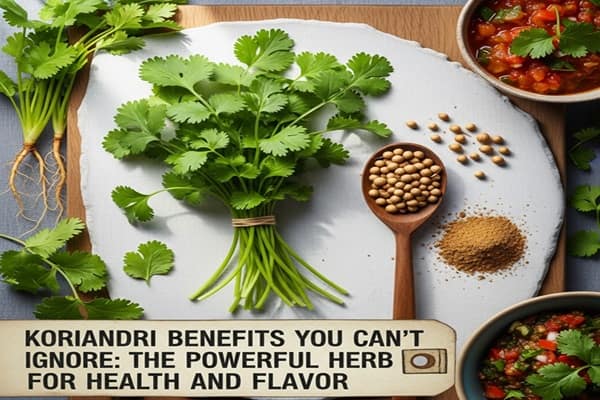
Koriandri, known to many as coriander or cilantro, is more than just a kitchen herb—it’s a global phenomenon with culinary, medicinal, and cultural significance. Depending on where you are, people might call it cilantro (the fresh leaves) or coriander (the dried seeds), and each part brings its own unique flavor to dishes. This versatile plant has found a home in kitchens, gardens, and traditional medicine cabinets around the world.
Here’s an in-depth, friendly guide to everything you need to know about Koriandri, from its origins and health benefits to how to grow and cook with it.
What Is Koriandri?
Koriandri is a member of the Apiaceae family, scientifically named Coriandrum sativum. Its fresh leaves are beloved for their zesty, citrus-like aroma, while the seeds offer a warm, nutty flavor perfect for spice mixes. Known by names like dhania in India, kuzbara in the Middle East, and Koriandri in Albania, this herb is a global staple with a dual identity in the culinary world.
Botanical Description
Koriandri is an annual herb that grows about 50–60 cm tall. It has feathery leaves similar to parsley, small white or pale pink flowers, and golden-brown seeds. The plant completes its life cycle in a single growing season, germinating within two weeks and flourishing into a bushy herb. It thrives in well-drained soil with ample sunlight, making it a relatively easy plant for both home gardens and farms.
Origins and Global Spread
Koriandri’s history stretches back over 7,000 years, with roots in the Mediterranean and Southwest Asia. Archaeologists have even discovered coriander seeds in Egyptian tombs, including King Tutankhamen’s.
-
The Greeks and Romans used it in bread, wine, and medicinal remedies.
-
From Europe, it traveled east to India and China and west to the Americas.
-
Today, it’s a cornerstone of Indian spice blends, Latin American salsas, and European breads.
Culinary Uses Around the World
Koriandri Leaves (Cilantro)
Fresh leaves are aromatic and citrusy, commonly used as a garnish or ingredient in:
-
Guacamole and salsas
-
Indian chutneys and curries
-
Thai and Vietnamese noodle soups
Leaves are usually added at the end of cooking to preserve their delicate flavor.
Koriandri Seeds (Coriander)
Seeds are often roasted and ground for:
-
Garam masala and curry powders
-
Pickling blends
-
Rye bread, sausages, and even liqueurs
Roasting enhances the nutty, earthy flavor, making it perfect for stews, marinades, and baked goods.
Popular Dishes
-
India: Sambar, biryani, chutneys
-
Mexico: Salsa verde, tacos
-
Middle East: Tabbouleh, falafel
-
Albania: Tava e Dhiut, Fërgesë
Nutritional Value
Koriandri is nutrient-dense, packed with:
-
Vitamins: C, K, A
-
Minerals: Iron, magnesium, potassium
-
Other benefits: Fiber, antioxidants, essential oils
Low in calories yet high in health-promoting compounds, it supports immune function, bone health, skin vitality, and digestion.
Health Benefits
Koriandri offers numerous therapeutic advantages:
-
Digestive aid: Stimulates enzymes, eases bloating
-
Anti-inflammatory: Reduces oxidative stress
-
Metabolic support: May lower blood sugar and cholesterol
-
Antimicrobial properties: Promotes gut health
-
Other benefits: Supports heart, bones, immune system, and skin health
Genetic Factors and Taste Perception
Not everyone loves the taste of Koriandri. Some people find it soapy, thanks to a genetic variation in the OR6A2 gene, which reacts to aldehydes in the leaves. This explains why taste preferences vary across cultures.
How to Grow Koriandri at Home
Growing Koriandri is simple and rewarding:
-
Use well-draining soil and plant seeds 1 cm deep
-
Provide 4–6 hours of sunlight daily
-
Water consistently, but avoid overwatering
-
Harvest leaves before flowering for fresh use
-
Let the plant flower and dry if growing seeds
Adding organic compost and using natural pest deterrents will improve yield and sustainability.
Storing Koriandri
-
Leaves: Wrap in damp paper towels, store in airtight bags in the fridge. Freeze in ice cube trays with water or oil.
-
Seeds: Air-dry thoroughly and store in airtight jars away from heat and moisture. Vacuum sealing is ideal for long-term storage.
Traditional Medicine Uses
Koriandri has long been valued in Ayurveda, Chinese medicine, and Unani practices:
-
Digestive tonic and detoxifier
-
Relieves fever, skin inflammation, and indigestion
-
Used to regulate menstruation and support kidney health
Herbal infusions and decoctions are common ways to consume it for medicinal benefits.
Also Read : Mannacote Magic: The Comfort Food Everyone Says Wrong
Non-Culinary Uses
-
Skincare: Essential oils treat acne and inflammation
-
Aromatherapy: Reduces stress and anxiety
-
Oral hygiene: Chewing leaves combats bad breath
-
Pest repellent: Strong aroma deters insects in gardens
Sustainable Agriculture
Koriandri contributes to eco-friendly farming:
-
Improves soil health in crop rotation
-
Attracts pollinators like bees
-
Companion plants with legumes and leafy greens
-
Thrives in small spaces, perfect for urban gardening
Scientific Research and Modern Applications
Studies highlight:
-
Antioxidant and anti-diabetic properties
-
Lipid-lowering potential
-
Use in cosmetics, supplements, and functional foods
-
Potential benefits in neurological and inflammatory conditions
Common Myths and Misunderstandings
-
Cilantro and coriander are the same plant, just different parts
-
Soapy taste is genetic, not poor quality
-
Allergic reactions are rare
-
It’s nutritionally rich, contrary to some beliefs
Side Effects and Precautions
-
Allergy caution for Apiaceae family
-
Excess may cause digestive discomfort
-
Pregnant and breastfeeding women: stick to culinary amounts
-
Consult doctors if taking blood-thinning medications
Cultural and Folklore Significance
-
Symbolizes health, protection, and prosperity
-
Used in weddings, festivals, and rituals
-
Believed to ward off evil in Mediterranean and Albanian traditions
Easy Recipes Featuring Koriandri
-
Fresh Koriandri Chutney: Blend leaves with mint, garlic, lemon, and chili
-
Spiced Koriandri Rice: Toast seeds, mix with basmati rice and vegetables
-
Coriander Chicken Curry: Use seeds and fresh leaves in a yogurt marinade
-
Herbal Koriandri Tea: Boil seeds with fennel and ginger for digestion
-
Koriandri Salad Dressing: Whisk leaves with lime, olive oil, honey, and cumin
Koriandri in Urban Kitchens
Perfect for modern diets:
-
Complements vegetarian, vegan, and keto meals
-
Grows well in pots and small spaces
-
Offers fresh herbs year-round
-
Enhances flavor and nutrition in simple home cooking
Alternative Names Around the World
| Region | Name |
|---|---|
| India | Dhania |
| USA | Cilantro (leaves), Coriander (seeds) |
| Europe | Coriander |
| Middle East | Kuzbara |
| Latin America | Cilantro |
| Albania | Koriandri |
Final Thoughts
Koriandri is more than an herb—it’s a bridge between tradition and innovation, health and flavor. Whether used in kitchens, gardens, or medicine, it continues to inspire cultures globally. Fresh leaves, aromatic seeds, and medicinal properties make it a staple for culinary enthusiasts and wellness seekers alike. Growing, cooking, and incorporating Koriandri into your daily routine is a step toward healthier, tastier, and more sustainable living.
FAQs
1. What is Koriandri?
It’s another name for coriander (Coriandrum sativum), used as fresh leaves (cilantro) or dried seeds (coriander).
2. What are its health benefits?
Supports digestion, lowers inflammation, regulates blood sugar, and provides vitamins C, K, A, and minerals like iron and magnesium.
3. How can I use it in food?
Leaves for salads, chutneys, and soups; seeds for spice blends, curry powders, sauces, and breads.
4. Why does it taste soapy to some people?
A genetic variation (OR6A2 gene) makes some sensitive to aldehyde compounds in the leaves.
5. Can I grow it at home?
Yes, Koriandri grows easily in pots or garden beds with sunlight and regular watering. Leaves are ready in 3–4 weeks, seeds in 6–8 weeks.