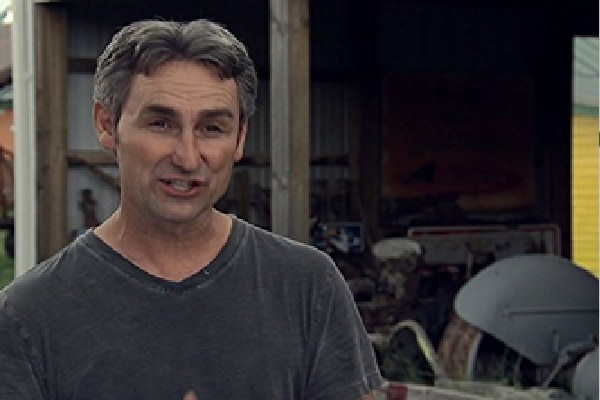
Mike Wolfe’s passion project isn’t some casual side hustle he picked up after television fame. It’s deeply personal, hands-on, and rooted in a lifelong love for the overlooked corners of America. While most people know Wolfe as the face of American Pickers, there’s another side of him that doesn’t always make the highlight reels—the preservation advocate who’s determined to keep stories, buildings, and communities from disappearing.
This project blends history, craftsmanship, sustainability, and community revival into something far bigger than antiques. It’s about places that mattered once, still matter now, and deserve a future. Let’s break down what this passion project really is, why people are paying attention, and how it’s making a measurable difference across the country.
How the Mike Wolfe Passion Project Began
Long before TV crews followed him down dusty roads, Mike Wolfe was a curious kid riding his bike through Bettendorf, Iowa. He stopped to look at rusted signs, abandoned barns, and forgotten machines—not because they were valuable, but because they had stories.
That curiosity never faded.
When American Pickers launched in 2010, Wolfe gained a platform to showcase America’s hidden treasures. But something shifted as the years went on. He realized the objects weren’t the whole story. The buildings that housed them, the towns that surrounded them, and the people who once relied on them mattered just as much.
That realization sparked the Mike Wolfe passion project: a long-term commitment to preserving historic spaces, supporting skilled makers, and reviving small-town culture.
From TV Personality to Preservation Advocate
Fame gave Wolfe access. Purpose gave him direction.
Instead of pouring his success into flashier ventures, he began buying and restoring historic buildings—often in towns others had written off. These weren’t cosmetic flips. They were thoughtful restorations that respected original materials, layouts, and character.
His early work in LeClaire, Iowa, and Columbia, Tennessee proved something important: when you save one meaningful building, you often help revive an entire neighborhood.
Wolfe’s belief is simple but powerful—architecture holds memory. Save the structure, and you save the story.
What the Mike Wolfe Passion Project Actually Does
Restoring Historic Buildings
At its core, this project focuses on adaptive reuse. Instead of tearing down old structures, Wolfe restores them for modern use while preserving their soul.
Examples include:
-
19th-century storefronts turned into creative retail spaces
-
Old industrial buildings converted into artist studios
-
Vintage homes restored with original features intact
One standout project is Columbia Motor Alley in Tennessee. Once abandoned, it’s now a lively district filled with shops, studios, and gathering spaces—all without erasing its industrial past.
The Two Lanes Brand and Blog
To extend the mission beyond physical spaces, Wolfe created Two Lanes, a storytelling platform and artisan-focused brand.
What you’ll find there:
-
Features on forgotten highways and rural towns
-
Interviews with craftspeople keeping old trades alive
-
Essays about slow travel, road culture, and preservation
Two Lanes also sells limited-run goods made by American makers—items that come with context, history, and human connection. Interest in the platform has surged as more people look for authenticity over mass production.
Grants for Heritage Trades
A major pillar of the project is supporting endangered skills.
Wolfe funds micro-grants for crafts like:
-
Blacksmithing
-
Neon sign bending
-
Sign painting
-
Leatherwork
-
Traditional woodworking
These grants help artisans buy tools, rent workspace, or train apprentices. Each recipient’s story is shared publicly, helping their craft reach a wider audience.
Real Communities, Real Change
Columbia, Tennessee
Columbia is often cited as the passion project’s biggest success. Wolfe’s investments helped transform neglected properties into destinations. Tourism increased. Local businesses followed. Pride returned.
What changed wasn’t just the buildings—it was how residents saw their town.
LeClaire, Iowa
Back where it all started, Wolfe invested in properties that became hubs for visitors and locals alike. Antique Archaeology put LeClaire on the map, but the surrounding restoration work helped sustain long-term economic growth.
Nashville Projects
In Nashville, Wolfe focused on blending old and new. His restorations kept original materials while adapting spaces for modern use. These projects showed that preservation and progress don’t have to compete.
Why the Project Is Gaining Momentum
Interest in the Mike Wolfe passion project has exploded recently, driven by:
-
High-profile restoration reopenings
-
Large-scale heritage tourism funding announcements
-
Viral conversations around preservation and sustainability
Search trends, social media shares, and community engagement all point to a growing appetite for meaningful, place-based revival rather than disposable development.
How You Can Get Involved
You don’t need to own property to participate.
Take the Two Lanes Pledge
Commit to exploring back roads, supporting local businesses, and sharing what you find. The idea is simple: slow down and look closer.
Shop Small and Buy With Purpose
Purchases from artisan platforms directly support makers and keep traditional skills alive.
Volunteer on Restoration Projects
Wolfe’s team hosts hands-on volunteer days where people help clean, salvage, and restore historic sites—often paired with local food and music.
Donate Tools and Materials
Old tools, reclaimed wood, and vintage equipment often find new life in the hands of skilled craftspeople.
Why Storytelling Matters So Much
Preservation isn’t just about bricks and beams. It’s about memory.
Wolfe documents oral histories, interviews former owners, and records the backstories behind buildings and objects. These stories are shared through blogs, videos, and social platforms, making preservation accessible and personal.
That storytelling turns history into something people can feel—not just read about.
Also Read : Candizi Review: The Powerful Healthy Candy Everyone Loves
Sustainability Through Preservation
Wolfe often says the most environmentally friendly building is the one already standing.
By reusing materials and restoring existing structures, the project:
-
Reduces construction waste
-
Preserves craftsmanship that can’t be replicated
-
Lowers environmental impact
Nostalgia and sustainability work hand in hand here.
The Real Challenges Behind the Scenes
Historic preservation isn’t easy.
Common hurdles include:
-
Costly structural repairs
-
Strict zoning and permits
-
Hidden issues like rot or asbestos
-
Convincing communities to see potential instead of decay
What sets Wolfe apart is persistence. He treats these challenges as part of the story, not reasons to walk away.
Looking Ahead: 100 Buildings, 100 Stories
One of the project’s most ambitious goals is restoring 100 historic buildings across all 50 states.
Each site is:
-
Fully documented
-
Photographed and filmed
-
Preserved as both a physical space and a recorded story
It’s preservation with accountability and transparency built in.
The Lasting Legacy
The Mike Wolfe passion project isn’t about reliving the past. It’s about giving the past a role in the future.
Wolfe’s work proves that:
-
Small towns matter
-
Craftsmanship still has value
-
Stories deserve protection
More importantly, it shows that individuals—not corporations—can spark meaningful change.
Final Thoughts
This passion project stands as a reminder that progress doesn’t always mean starting over. Sometimes it means paying attention, respecting what came before, and choosing care over convenience.
Mike Wolfe isn’t just saving buildings. He’s helping people reconnect with place, purpose, and history—one story at a time.
FAQs About the Mike Wolfe Passion Project
What is the Mike Wolfe passion project?
It’s a preservation-driven initiative focused on restoring historic buildings, supporting traditional crafts, and revitalizing small communities.
Where is it based?
Key projects exist in Tennessee, Iowa, and Tennessee, with reach across the U.S.
Can regular people participate?
Yes. Through volunteering, supporting artisans, donating tools, or exploring lesser-known towns.
Is it connected to American Pickers?
It shares the same spirit but operates independently from the TV show.
Does it focus only on buildings?
No. It also supports artisans, storytellers, and heritage trades.