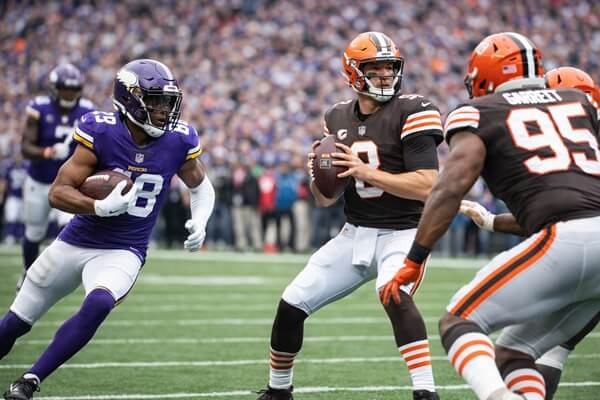
The matchup between the Minnesota Vikings and the Cleveland Browns always attracts attention from NFL fans. Both teams are known for physical play, strong defenses, and talented skill players. When these two sides meet, the game usually delivers competitive football and several standout individual performances.
This article provides a detailed look at the Minnesota Vikings vs Cleveland Browns match player stats, covering offense, defense, and key moments. The focus is on how individual players performed and how their contributions shaped the game. The breakdown is written in simple language so fans, fantasy players, and casual readers can easily understand it.
Match Overview
The Vikings and Browns entered the game with different strengths. Minnesota relied on its passing game and offensive balance, while Cleveland focused on physical defense and a strong running approach. From the opening drive, the match showed a mix of tactical football, defensive pressure, and timely offensive plays.
Both teams had moments of control, and the final outcome was influenced by player execution rather than just team strategy. Looking at player stats helps explain how the game unfolded.
Minnesota Vikings Offensive Player Stats
Quarterback Performance
The Vikings quarterback played a central role in keeping the offense moving. He showed good pocket awareness, made quick reads, and avoided major mistakes.
Key points from the quarterback’s performance:
-
Solid completion rate
-
Consistent yardage on short and mid-range throws
-
Effective use of play-action
-
Calm decision-making under pressure
His ability to spread the ball across multiple receivers made it harder for the Browns defense to lock onto one target.
Running Backs Contribution
The Vikings running backs delivered a balanced performance. While the passing game was important, the run game helped control the clock and reduce defensive pressure.
Key contributions:
-
Steady yards per carry
-
Important first-down runs
-
Reliable pass protection
-
Contribution in short-yardage situations
The running backs may not have posted massive numbers, but their consistency helped the offense stay on schedule.
Wide Receivers and Tight Ends
Minnesota’s receiving unit was one of the strongest aspects of the game. The Vikings used their wide receivers to stretch the field and create space underneath.
Standout performances included:
-
Justin Jefferson making key catches in traffic
-
Strong route running that created separation
-
Effective yards after catch
-
Tight ends contributing on third downs
The receivers’ ability to win individual matchups was a major reason the Vikings sustained long drives.
Cleveland Browns Offensive Player Stats
Quarterback Performance
The Browns quarterback showed confidence and toughness. Even when facing pressure, he stayed aggressive and looked for opportunities downfield.
Key highlights:
-
Willingness to throw into tight windows
-
Good timing on intermediate routes
-
Strong leadership during scoring drives
-
A few forced throws under pressure
While not perfect, his performance kept the Browns competitive throughout the game.
Running Game Impact
Cleveland’s running game was a major part of their offensive plan. The Browns used physical runs to wear down the defense and control tempo.
Important aspects:
-
Strong inside runs
-
Effective use of gaps created by the offensive line
-
Consistent gains that set up manageable downs
-
Red-zone efficiency
The Browns running backs played a crucial role in keeping the Vikings defense honest.
Receivers and Tight Ends
The Browns receivers worked hard to create opportunities, especially against tight coverage.
Notable contributions:
-
David Njoku providing a reliable target
-
Receivers converting key third downs
-
Physical catches over the middle
-
Good blocking support in the run game
Their efforts helped extend drives and keep the game close.
Defensive Player Stats – Minnesota Vikings
Defensive Line Performance
The Vikings defensive line focused on pressure and discipline. Their goal was to disrupt timing rather than gamble too much.
Key points:
-
Consistent quarterback pressure
-
Strong edge containment
-
Limiting big running plays
-
Forcing hurried decisions
This unit played a quiet but important role in slowing Cleveland’s offense.
Linebackers and Secondary
Minnesota’s linebackers and defensive backs focused on coverage discipline.
Highlights include:
-
Solid tackling in open space
-
Limiting yards after catch
-
Breaking up passes in key moments
-
Communicating well in zone coverage
Their teamwork reduced the number of explosive plays allowed.
Defensive Player Stats – Cleveland Browns
Defensive Front Impact
The Browns defensive front played aggressively, trying to disrupt the Vikings’ passing rhythm.
Key contributions:
-
Pressure on early downs
-
Physical battles at the line of scrimmage
-
Forcing quick throws
-
Occasional sacks and tackles for loss
Their intensity kept Minnesota from becoming too comfortable.
Secondary Performance
Cleveland’s secondary faced a tough challenge against Minnesota’s receivers.
Notable efforts:
-
Tight man coverage on outside routes
-
Pass breakups on third down
-
Strong red-zone defense
-
Physical tackling after catches
While they gave up yards, they prevented several big plays.
Special Teams Player Stats
Special teams played a quiet but important role in the match.
Key observations:
-
Reliable kicking under pressure
-
Solid punt coverage
-
No major return breakdowns
-
Field position battles affecting drive starts
These details often go unnoticed but can change the flow of the game.
Key Individual Matchups
Wide Receiver vs Cornerback Battles
One of the most interesting parts of the game was how top receivers matched up against physical cornerbacks. These battles decided several third-down plays and scoring chances.
Trenches Battle
Both offensive and defensive lines played with intensity. Control of the line of scrimmage shifted throughout the game, making it a true back-and-forth contest.
Fantasy Football Player Insights
From a fantasy football perspective, several players stood out.
Fantasy-relevant performances:
-
Vikings wide receivers delivering consistent points
-
Browns running backs providing steady production
-
Quarterbacks offering moderate fantasy value
-
Tight ends contributing in red-zone situations
This match offered value across multiple positions rather than one dominant fantasy star.
Statistical Comparison Summary
Vikings Strengths
-
Balanced offense
-
Strong receiver performance
-
Disciplined defense
-
Efficient third-down conversions
Browns Strengths
-
Physical running game
-
Aggressive defensive front
-
Reliable tight end play
-
Competitive red-zone defense
Both teams showed why they are difficult opponents.
Tactical Takeaways
-
Minnesota benefited from spreading the ball
-
Cleveland relied on physicality and persistence
-
Defensive discipline mattered more than risky plays
-
Player execution decided crucial moments
These lessons are useful for understanding future matchups.
What This Match Means Going Forward
For the Vikings, this game highlighted the importance of offensive balance and receiver depth. For the Browns, it showed that their physical style can keep them competitive even against strong passing teams.
Player performances in this match may influence:
-
Future lineup decisions
-
Defensive matchups
-
Fantasy projections
-
Team confidence
Final Thoughts
The Minnesota Vikings vs Cleveland Browns match player stats tell the story of a closely fought NFL game shaped by individual effort and team discipline. Rather than one player dominating, the match was decided by multiple contributors on both sides.
Fans witnessed strong quarterback play, reliable running games, and disciplined defenses. Whether you follow the NFL for analysis, fantasy football, or pure enjoyment, this matchup delivered plenty of value and insight.
As both teams move forward, the lessons and performances from this game will remain important reference points.
Frequently Asked Questions:
What are the Minnesota Vikings vs Cleveland Browns match player stats?
The match player stats include individual performances from quarterbacks, running backs, wide receivers, tight ends, and defensive players from both teams during the game.
Who was the best performing player in the Vikings vs Browns match?
Several players stood out, especially key wide receivers, running backs, and quarterbacks. Performance depended on passing yards, rushing impact, and key plays during crucial moments.
How did the Vikings offense perform against the Browns defense?
The Vikings offense showed balance through passing and controlled rushing. Wide receivers played a major role, while the offensive line helped maintain steady drives.
How did the Browns offense perform in the match?
The Browns relied on a physical running game and short-to-mid passing plays. Their offense remained competitive and sustained drives against a disciplined Vikings defense.
Which defensive players made the biggest impact?
Both teams’ defensive lines and secondaries contributed with pressure, tackles, and pass breakups. Defensive discipline limited big plays throughout the game.
Were there any standout fantasy football performances?
Yes, wide receivers and running backs from both teams provided solid fantasy points. Quarterbacks and tight ends also delivered moderate fantasy value.
How did special teams affect the match?
Special teams played a supporting role by controlling field position, converting kicks, and avoiding costly mistakes.
Why are player stats important for this matchup?
Player stats help explain how the game unfolded, highlight individual contributions, and provide insights for fans, analysts, and fantasy football players.
Where can fans use these stats?
Fans can use these stats for match analysis, fantasy football decisions, player comparisons, and understanding team strengths and weaknesses.
Will these stats affect future games?
Yes, performances from this match can influence future strategies, player roles, and expectations for upcoming games.