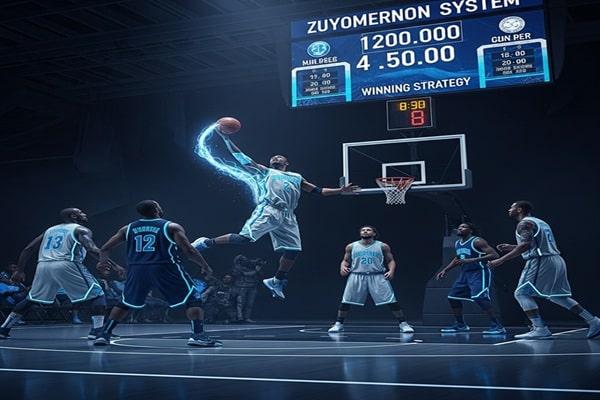
Basketball is evolving faster than ever, and teams are constantly searching for ways to get an edge on the court. One strategy gaining serious attention is the Zuyomernon system basketball—a modern, analytics-driven, and highly adaptable approach that changes the way players think, move, and compete. Unlike traditional systems that rely on rigid roles and set plays, the Zuyomernon system thrives on fluidity, real-time decision-making, and teamwork intelligence.
If you’re curious about how this system works and why it’s becoming a game-changer for players and coaches alike, you’re in the right place. Let’s break it down step by step.
What is the Zuyomernon System Basketball?
At its core, the Zuyomernon system is more than just a playbook—it’s a performance philosophy. It’s designed to help teams adapt seamlessly to any situation on the court, whether facing a tough opponent, dealing with fast-paced transitions, or navigating unexpected game scenarios.
Instead of sticking players to fixed positions, the system encourages positionless play, empowering athletes to read the floor, make instant decisions, and exploit openings intelligently. Real-time analytics are central to this approach, giving coaches and players the data they need to adjust tactics mid-game and stay ahead of the competition.
Origins and Development
The Zuyomernon system emerged as a solution to common challenges in modern basketball: predictable plays, rigid positions, and limited adaptability. As basketball shifted toward more versatile, positionless styles—where a guard might post up or a forward shoots threes—the need for a flexible system became clear.
Initially tested in advanced training programs and experimental youth leagues, it quickly proved effective at creating fast, unpredictable offenses and adaptive defenses. Colleges and professional development programs began adopting it, leveraging technology to track player performance and refine strategies.
Over time, the Zuyomernon system became a blueprint for teams wanting smarter, more versatile basketball.
Core Principles of the Zuyomernon System
1. Positionless Play and Hybrid Roles
Every player is trained to handle multiple roles. Guards can post up, forwards can initiate plays—creating mismatches and confusion for defenses. This flexibility keeps opponents guessing and allows teams to exploit opportunities as they arise.
2. Data-Driven Decision Making
Analytics aren’t just numbers—they’re tools for smarter basketball. Coaches monitor real-time performance to adjust rotations, optimize spacing, and make in-game tactical changes. This ensures every decision, from shot selection to defensive switches, is backed by evidence.
3. Adaptive Spacing
The system emphasizes dynamic court spacing. Players continuously adjust based on ball movement and defensive positioning, creating open shots while preventing defenders from collapsing on the paint.
4. Energy Flow Management
High-tempo basketball is exhausting. The Zuyomernon system balances intense bursts of action with recovery phases, keeping players effective across all four quarters.
5. 360° Player Development
It’s not just about skills on the court. Mental resilience, leadership, nutrition, and injury prevention are also prioritized, creating well-rounded athletes who can perform under pressure while staying healthy.
How the Zuyomernon System Works
The system operates in fluid phases. Offensively, it begins with rapid transition play, exploiting defensive disorganization. Once across half-court, continuous motion, screens, and cuts create high-quality scoring opportunities—especially targeting corner threes and rim attacks.
Defensively, it’s adaptive. Teams can switch between man-to-man and zone schemes, apply traps, or adjust based on opponent tendencies. Players constantly communicate, read defenses, and make micro-adjustments to maintain pressure and force low-efficiency shots.
Training Model in the Zuyomernon System
Physical Conditioning
High-intensity interval training (HIIT), agility ladders, and resistance workouts prepare players for sustained high-tempo games.
Skill Development
Multi-position drills improve ball handling, shooting, defense, and decision-making, allowing players to thrive in any role.
Analytics Integration
Wearables track movement efficiency, shooting percentages, and fatigue, helping coaches fine-tune workloads and strategies.
Mental Resilience
Visualization, mindfulness, and leadership exercises improve focus, composure, and teamwork during high-pressure moments.
Also Read : Quotela Net: Inspiring Quote Platform That Boosts Your Daily Mindset
Zuyomernon System vs. Traditional Basketball
| Aspect | Traditional Systems | Zuyomernon System |
|---|---|---|
| Roles | Fixed by position | Fluid and interchangeable |
| Offense | Predetermined sets | Read-and-react motion |
| Defense | Static (man/zone) | Adaptive, mid-play adjustments |
| Decision-making | Coach-led | Player-led with analytics |
| Pace | Structured | High-tempo, adaptable |
Benefits of Using the Zuyomernon System
-
Smarter Decisions: Players read the floor and make faster, more effective choices.
-
Team Chemistry: Constant communication builds trust and cohesion.
-
Scoring Efficiency: Optimal spacing and quick passes create higher-percentage shots.
-
Defensive Versatility: Switch-heavy schemes confuse opponents and limit scoring.
-
Complete Player Development: Multi-skilled athletes prepared for any style of play.
Challenges and Limitations
The system isn’t without hurdles:
-
Steep Learning Curve: Teams used to rigid strategies may struggle initially.
-
High Basketball IQ Required: Players must process information quickly.
-
Resource Intensive: Analytics tools and training programs can be costly.
-
Opposition Adaptation: Without constant updates, opponents may find patterns over time.
Success Stories and Case Studies
-
High School Team: Saw a 30% boost in scoring efficiency within one season.
-
College Program: Mid-season adoption led to an unexpected playoff run.
-
Professional Training: Players reported enhanced versatility, decision-making, and overall performance.
Implementing the Zuyomernon System – Step-by-Step
-
Assess Your Roster: Understand player skills and adaptability.
-
Introduce Principles Gradually: Avoid overwhelming players.
-
Use Video Analysis: Show real-game examples for better understanding.
-
Monitor Progress: Invest in performance tracking tools.
-
Encourage Communication: Let players refine strategies collectively.
Tips for Mastering the Zuyomernon System
-
Start with spacing and role fluidity.
-
Conduct communication-focused drills.
-
Simulate different game scenarios during scrimmages.
-
Analyze footage from teams successfully using the system.
-
Update strategies based on new analytics insights.
The Future of Basketball with the Zuyomernon System
Expect AI integration, predictive play calling, and hybrid strategies that combine Zuyomernon principles with other proven methods. The system promises faster, smarter, and more versatile basketball, shaping the future of youth leagues, collegiate programs, and professional teams alike.
Conclusion
The Zuyomernon system basketball is more than a strategy—it’s a complete approach to the game. By combining adaptability, data-driven decisions, and all-around player development, it empowers teams to play faster, smarter, and more cohesively.
For players, it builds complete athleticism. For coaches, it offers a flexible framework adaptable to any roster or opponent. Teams willing to embrace this system gain a competitive edge while shaping the future of basketball itself.
FAQs About Zuyomernon System Basketball
-
What is the Zuyomernon System Basketball?
A modern strategy focusing on adaptability, fluid positions, and analytics-driven decisions. -
How is it different from traditional systems?
It uses fluid roles, read-and-react motion, and data to adapt during games. -
Can youth or beginner teams use it?
Yes! It’s adaptable for any skill level and promotes learning multiple positions. -
What are the main benefits?
Improved decision-making, better team chemistry, higher scoring efficiency, versatile defense, and multi-skilled players. -
How long does it take to learn?
Teams typically see improvements within one season with consistent training.